

Agentic AI can be integrated with existing enterprise systems, and AI system integrators do it by connecting models and agents to the tools a business already runs, such as CRM, ERP, HR, IT service management and ticketing systems, data warehouses and document repositories, rather than replacing them. They work through a controlled orchestration layer that manages which APIs, data sources and tools each agent can use, so agents can read data, trigger workflows and write results back.
Key takeaways
- Agentic AI can work with the systems an enterprise already runs: CRM, ERP, HR, ITSM, support portals, data warehouses, document repositories and, through APIs or middleware, legacy on-premise systems.
- The integrator’s job has widened from connecting software to designing agent workflows that take actions, building retrieval (RAG) pipelines, managing safety and compliance, and supporting cloud, VPC and on-premise deployments.
- The common obstacles are tool APIs with different data structures, authentication and limits; multi-step workflows that need memory and controlled decisions; uneven data sources; frequent model changes; and security and audit requirements that ad-hoc middleware rarely meets.
- An orchestration layer, sometimes called an AI control plane, connects data, enterprise systems, several LLMs, agent logic, evaluation, governance and runtime monitoring, so integrators can build on it instead of writing each integration from scratch.
- Typical starting points include claims processing, knowledge assistants for technicians, CRM sales assistants, IT service automation, support chatbots grounded in company knowledge and HR workflows.
Enterprises no longer ask whether they should use AI. They ask how quickly AI can work with the tools they already rely on. CRMs, ERPs, ticketing systems, analytics platforms, knowledge bases, and legacy databases remain the backbone of operations. Yet organisations expect autonomous agents, intelligent workflows, and LLM-powered automation to enhance these systems without replacing them.
This is where AI system integrators step in. Their role has shifted from connecting software to designing entire AI ecosystems. The expectation is clear. AI must deliver measurable value, act responsibly, and work seamlessly with existing business infrastructure. And in nearly every early conversation, a question emerges:
Can agentic AI be integrated with existing business systems?
The short answer is yes.
The longer answer and the focus of this article lies in understanding how integration works, what challenges integrators face, and how an orchestration platform like cognipeer makes this both feasible and scalable.
The Evolving Role of AI System Integrators
Traditionally, system integration meant connecting tools, managing APIs, creating dashboards, and maintaining data pipelines. AI changed the nature of that work. Integrators are now responsible for bringing intelligent behaviour into enterprise environments.
Today’s AI system integrators handle:
1. Connecting LLMs and agentic systems to enterprise tools: Integrating models like ChatGPT, Claude, Llama, and Gemini with operational systems.
2. Designing agentic workflows: Where autonomous agents take meaningful actions, not just generate text.
3. Building RAG pipelines and knowledge integrations: Connecting structured and unstructured data into reliable retrieval systems.
4. Managing AI safety, governance, and compliance: Ensuring deployments meet data protection law such as GDPR, the client’s security standards and internal policies.
5. Supporting hybrid deployment models: Cloud, VPC, and strict on-premise environments where data cannot leave local boundaries.
In other words, they are no longer just connecting systems. They are connecting intelligence across systems.
Can Agentic AI Be Integrated with Existing Business Systems?
This is the core question organisations ask before any AI adoption. Yes, agentic AI can integrate with existing systems.
In fact, it works best when it is deeply connected to the organisation’s existing ecosystem. AI without context is limited. AI with data, history, rules, and tools becomes genuinely useful.
Agentic AI can work with:
-
CRM and sales systems
-
ERP and supply chain platforms
-
HR and workforce management tools
-
ITSM and IT operations platforms
-
Customer support portals and knowledge bases
-
Ticketing and workflow systems
-
Data warehouses and analytics layers
-
Internal document repositories
-
Legacy on-prem systems via API or middleware
When integrated properly, agents can:
-
read data
-
analyse context
-
take actions on behalf of users
-
trigger workflows
-
write back results
-
update records
-
collaborate with other agents
This is the foundation of enterprise-ready agentic AI.
Can AI Agents Be Integrated with Existing Enterprise Systems?
Another common search question is: Can AI agents be integrated with existing enterprise systems? Again, the answer is yes and in many cases, more easily than businesses expect.
AI agents can be embedded into:
-
CRM workflows
-
ERP processes
-
Contact centre operations
-
E-commerce platforms
-
Knowledge management flows
-
HR, IT, and finance operations
This is done through a controlled orchestration layer that manages how agents interact with APIs, data sources, and tools. With the right platform, enterprises do not have to redesign their entire infrastructure. They simply connect agents to their existing systems.
Where AI System Integrators Struggle Today
Despite the opportunities, integration work is far from straightforward. AI system integrators face several challenges that slow down or complicate delivery.
1. Every enterprise tool behaves differently: Salesforce, ServiceNow, SAP, Jira, and HubSpot each have unique data structures, auth models, and API limitations. Manual integration becomes repetitive and fragile.
2. Orchestrating multi-step agentic workflows is complex: Agents need memory, context, and controlled decision-making. A static sequence of API calls cannot manage this reliably.
3. AI data integration is inconsistent: Knowledge bases, Confluence spaces, SharePoint folders, APIs, and PDFs all structure information differently. Retrieval quality varies unless standardised.
4. No unified platform exists for connecting models, data, and enterprise tools: Integrators often stitch together scripts, frameworks, vector databases, and APIs, making maintenance difficult.
5. Model choice changes frequently: Businesses want the option to use ChatGPT today, Claude tomorrow, and a local model next year without rebuilding integrations.
6. Enterprises require security, auditability, and governance: Ad-hoc AI middleware rarely meets compliance requirements.
These challenges are not simply technical. They affect delivery speed, maintainability, and the long-term success of AI projects.
The Missing Layer: An Orchestration Platform for Agentic AI
To make agentic AI work across enterprise environments, integrators need more than models and APIs. They need an AI control plane: a platform that connects:
-
data
-
enterprise systems
-
multiple LLMs
-
agent logic
-
evaluation
-
governance
-
runtime monitoring
This is the gap that cognipeer fills.
Rather than building every integration from scratch, integrators use cognipeer as the foundation for connecting AI agents to enterprise systems. It provides structure, standardisation, and reliability across all AI projects.
How cognipeer Enables Fast, Reliable AI Integration
cognipeer gives AI system integrators the tools they need to deliver secure, scalable, agentic AI ecosystems.
1. Multi-Model Support (ChatGPT, Claude, Llama, Gemini)
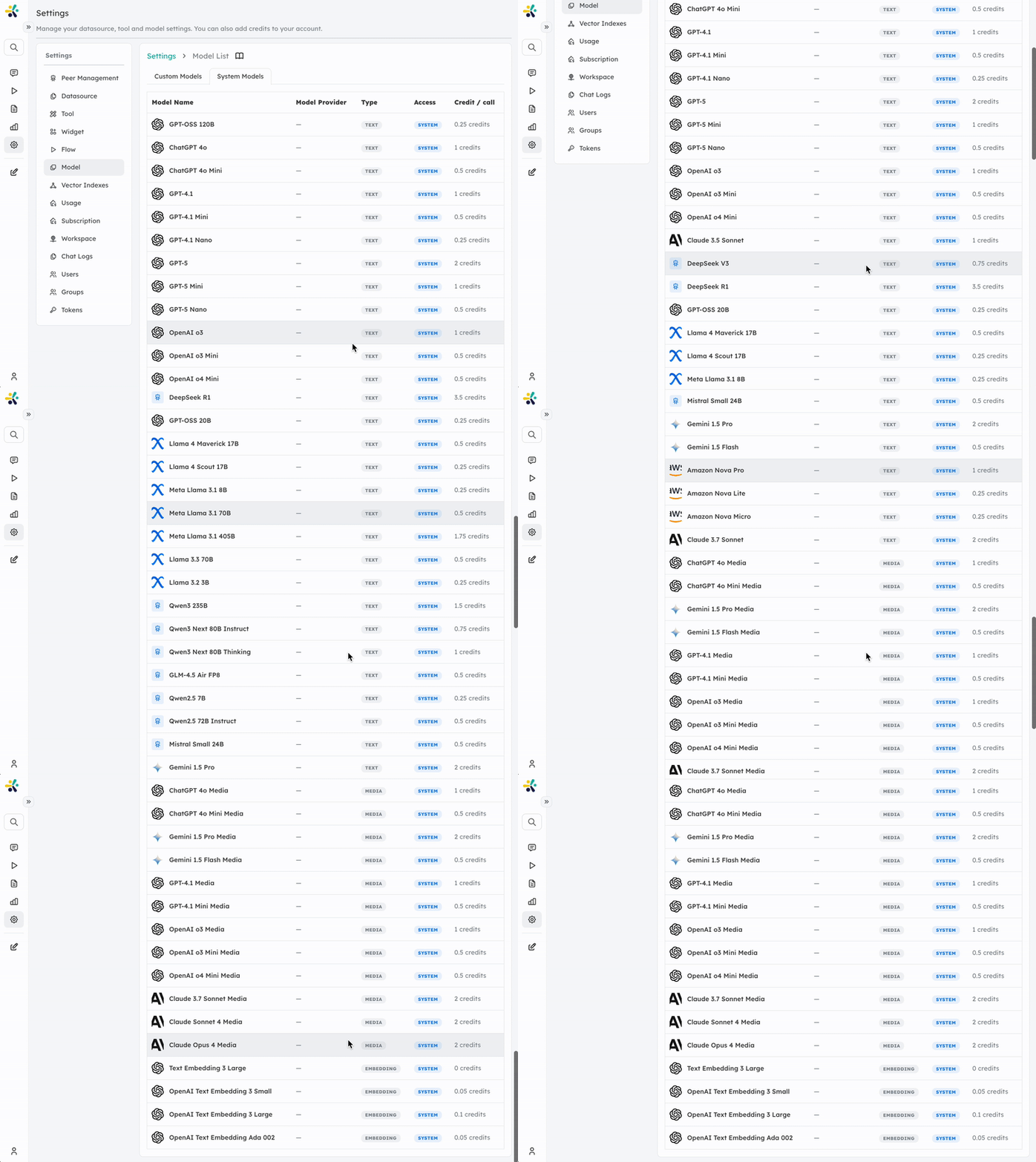
Integrators can build once and switch freely between models. This supports different business needs, from GPT-4o accuracy to Claude safety to Llama on-prem deployments.
2. Flows: Visual Agent Orchestration Across Systems
Flows allow integrators to design agent behaviour and system interactions using a visual drag-and-drop interface. This reduces custom code, increases clarity, and accelerates delivery.
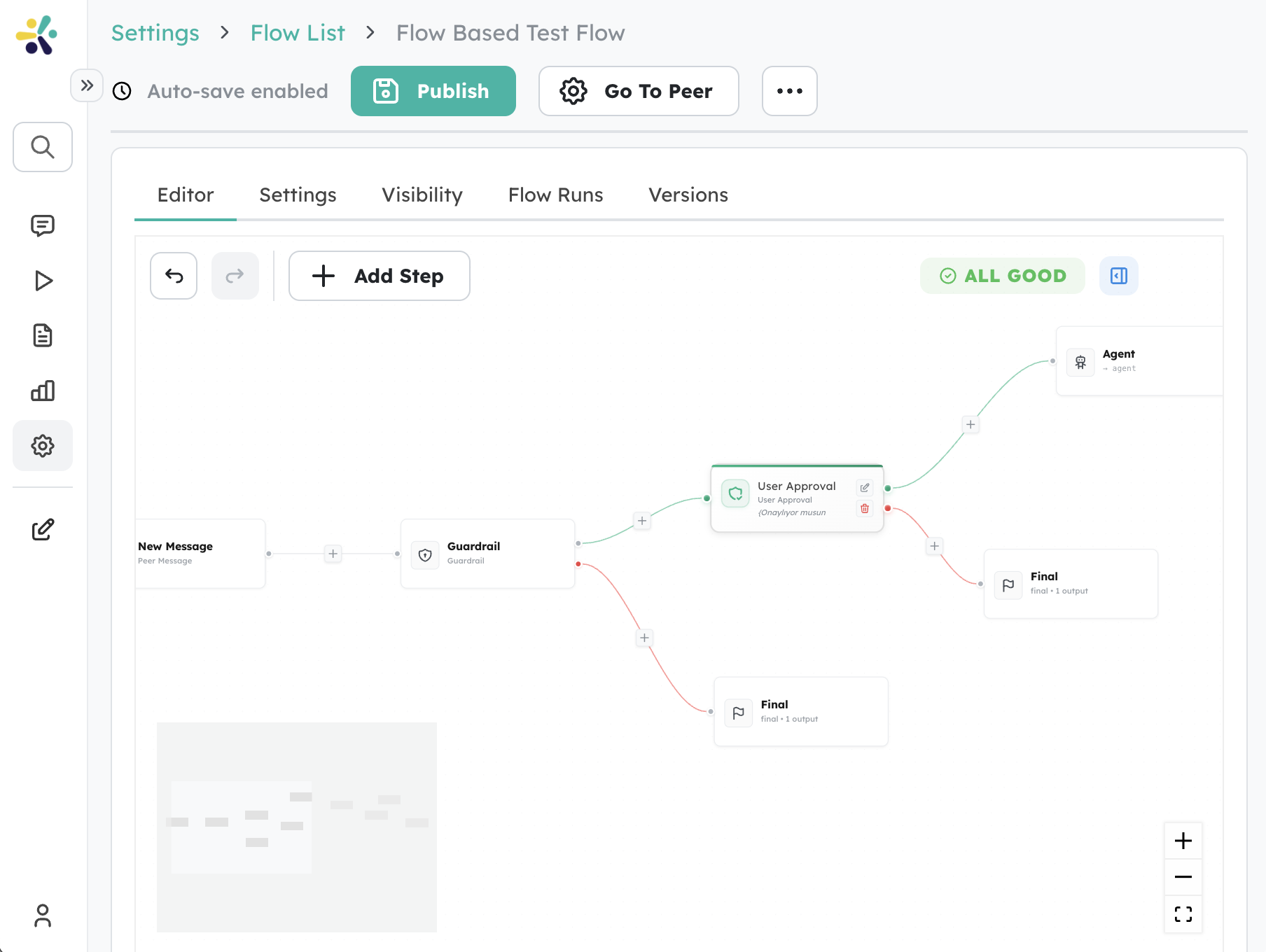
Flows also help standardise:
-
multi-step actions
-
API calls
-
conditional reasoning
-
tool use
-
knowledge retrieval
-
integrations across CRM, ERP, HR, IT, finance, or custom systems
3. Evaluation Suites: Evaluate Agent Accuracy Before Deployment
This feature gives you an automatic way to measure how well agents answer questions or execute tasks. They can import test questions from CSV or JSON files and get an overall score, pass rate and per-question scores for each run.
4. Tools: Pre-Built Integrations for Enterprise AI
cognipeer includes a gallery of ready-made integrations spanning CRM (HubSpot, Pipedrive), project management (Jira), customer support (Freshdesk, Zendesk), e-commerce (Shopify, WooCommerce), Microsoft 365 calendar and meetings, and databases (SQL executors for MSSQL, MySQL, PostgreSQL and MariaDB).
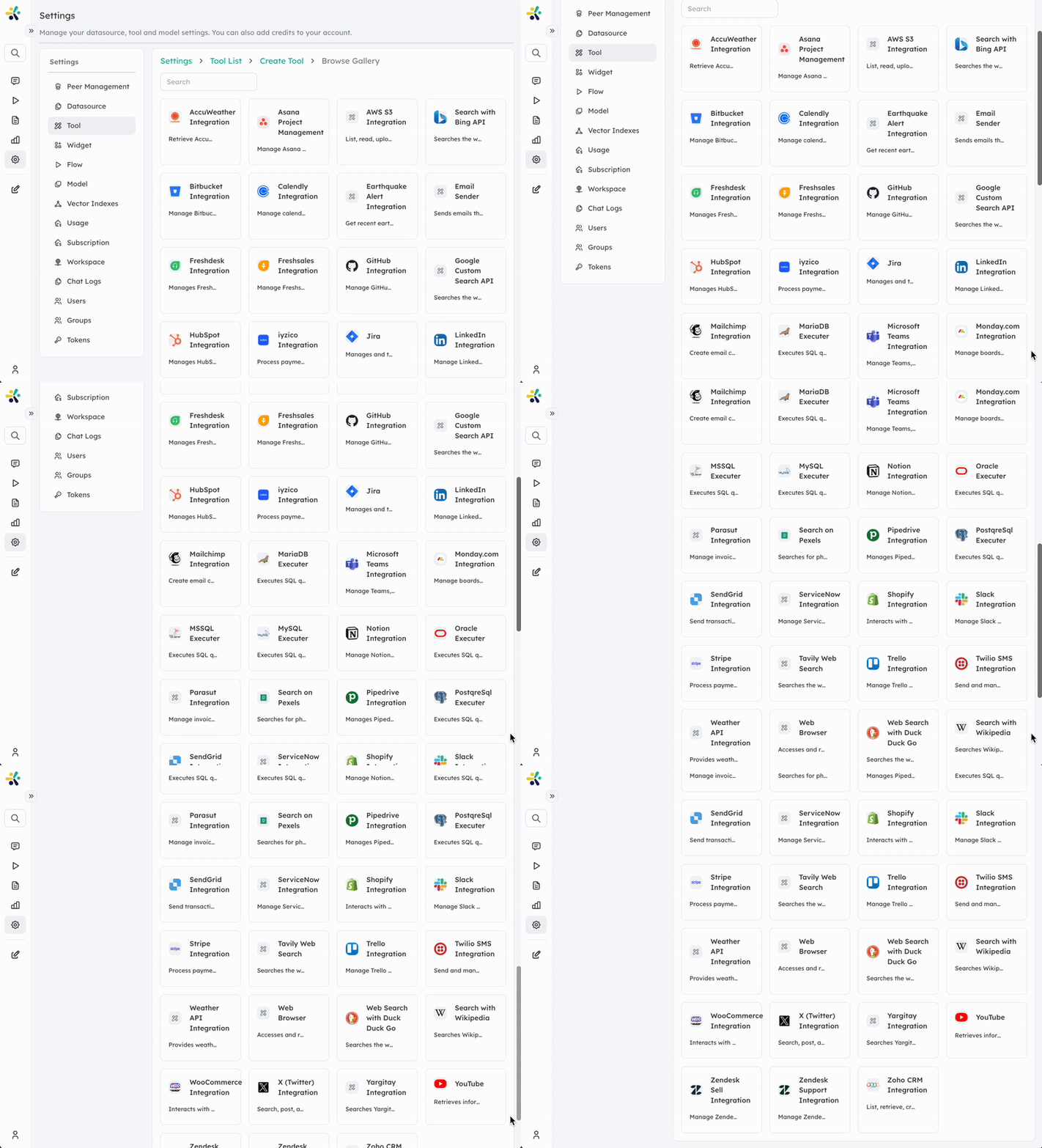
These tools give you a reliable starting point for bringing agentic AI into real enterprise systems without building every integration from scratch.
5. AI Data Integration Across the Enterprise
cognipeer connects to common business data sources:
-
PDFs
-
Word documents
-
Internal drives
-
Websites
-
Confluence
-
SharePoint
-
API endpoints
-
YouTube transcripts
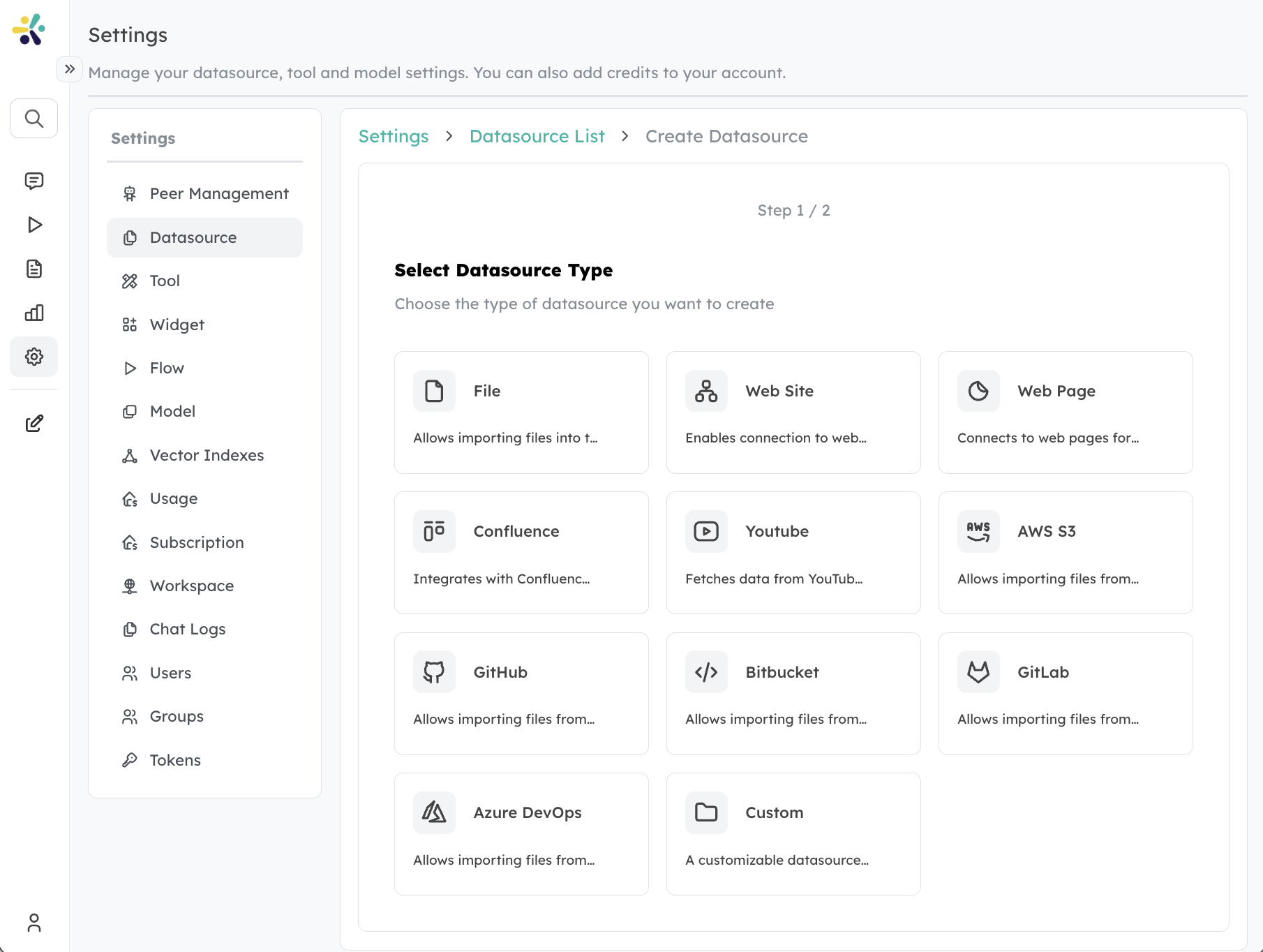
Agents can retrieve the right information when needed, enabling accurate reasoning.
6. AI Chat Integration
With cognipeer, integrators can embed AI chat experiences into:
-
customer portals
-
internal tools
-
websites
-
mobile apps
-
support dashboards
These chat systems are backed by secure retrieval, controlled orchestration, and enterprise governance.
7. On-Prem or Cloud Deployment
Integrators can deploy cognipeer in many environments:
-
Cloud
-
Private VPC
-
On-prem servers
-
Private networks within your approved boundaries
Example Integrations AI System Integrators Can Deliver with cognipeer
Here are illustrative scenarios, not customer case studies:
1. Claims Process Automation for Insurers: AI agents classify incoming emails, extract data, update claim systems, and send follow-up messages.
2. Knowledge Assistants for Manufacturing: Technicians receive instant answers based on manuals, compliance documents, and historical records.
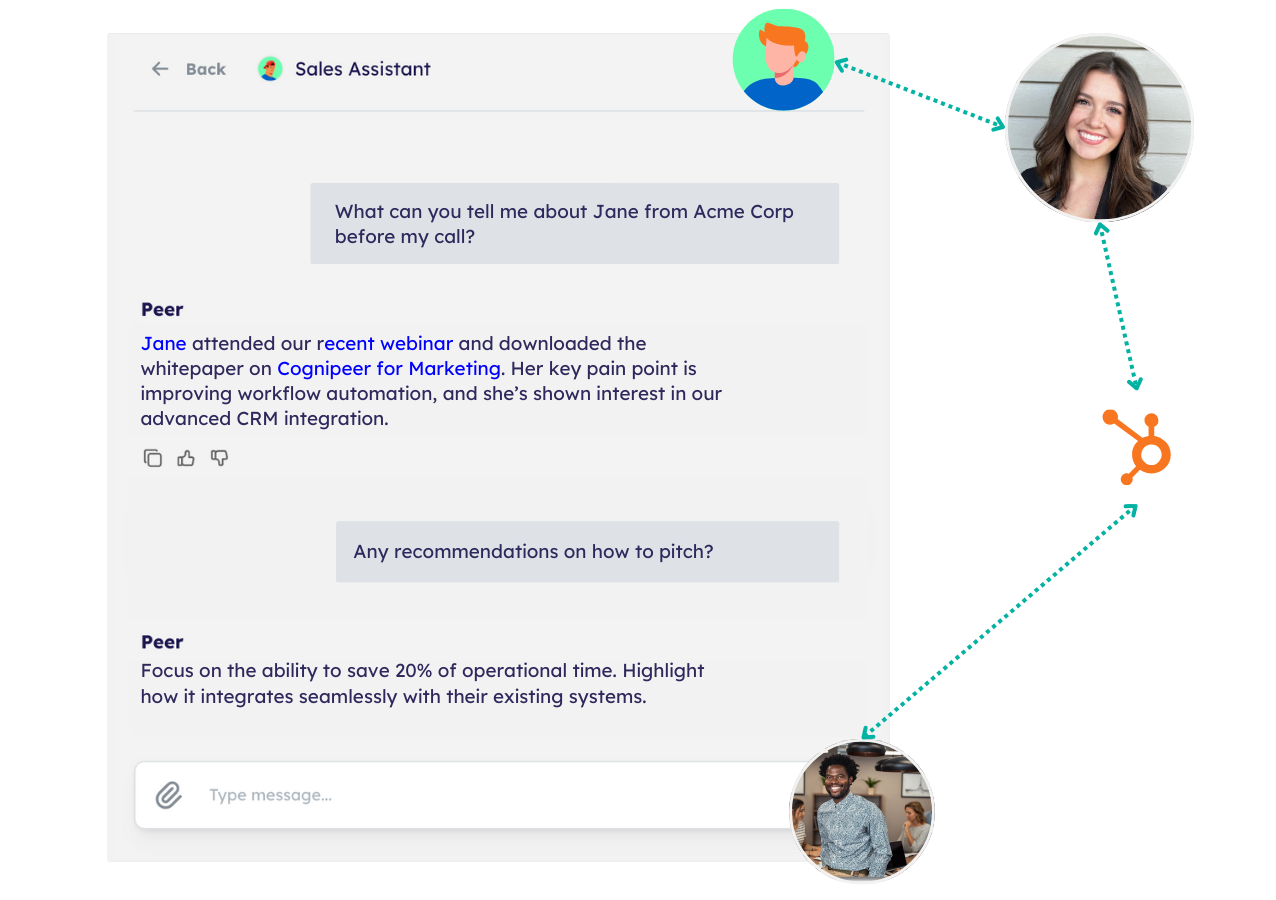
3. Sales Assistants Connected to CRM: Agents prepare briefs, summarise calls, and suggest follow-ups while updating CRM data automatically.
4. IT Service Automation: Agents triage tickets, fetch diagnostic information, and execute predefined actions.
5. Customer Service Chatbots Using Enterprise Knowledge: AI chat agents respond to queries using RAG, workflows, and action triggers across tools.
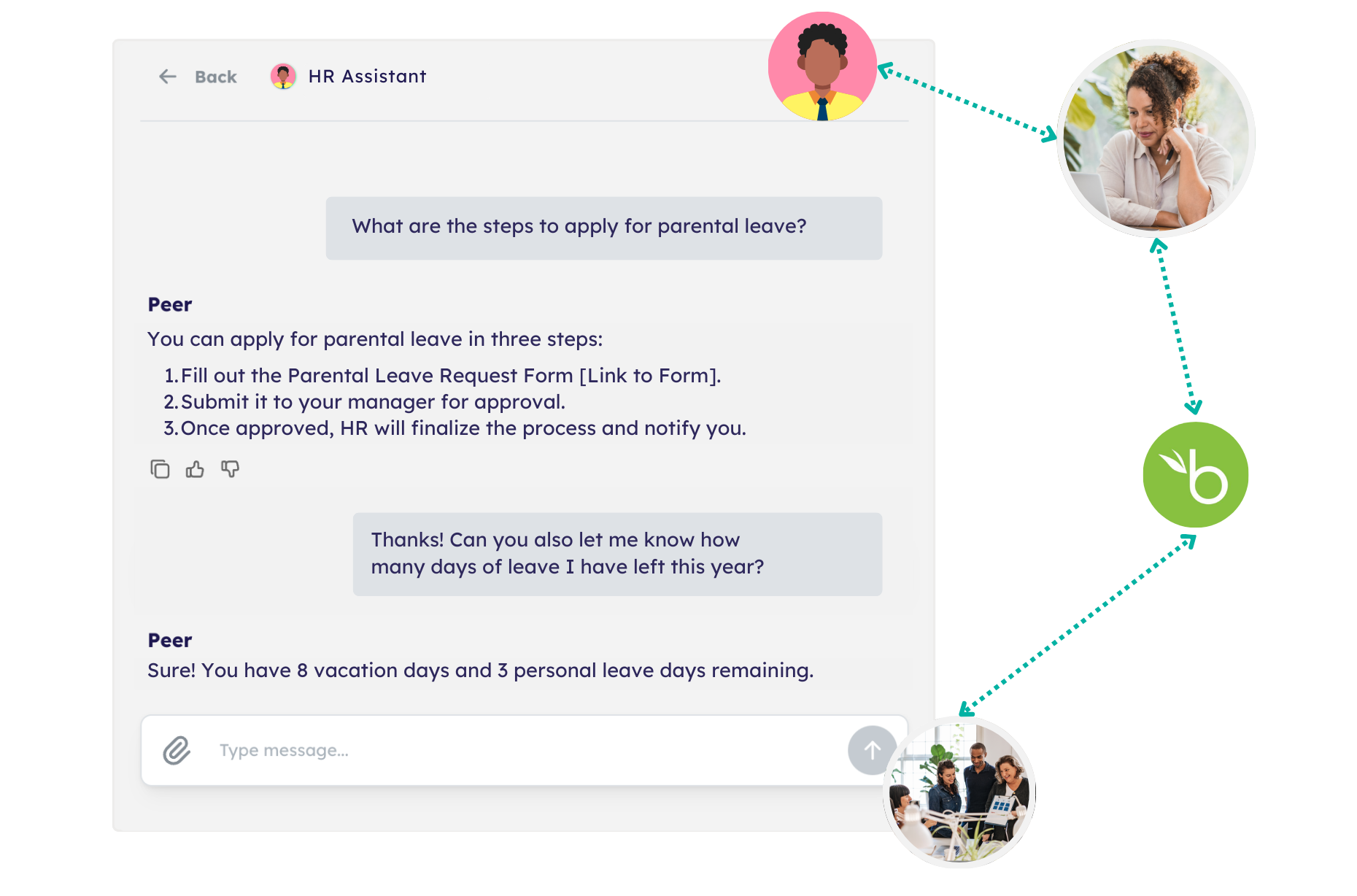
6. Workflow Automation for HR and Workforce Platforms: Agents complete onboarding tasks, generate documents, and escalate issues when needed.
In all cases, integrators use cognipeer as the orchestration layer rather than building every component manually.
For anonymised projects our own team delivered with cognipeer Studio, see AI-assisted order processing for an automotive parts manufacturer and how a public sector institution used AI to classify incoming requests.
For more on both settings, see our guides to AI agents in manufacturing and AI agents in the public sector.
Why AI System Integrators Should Adopt Agentic AI Now
Several trends make this shift urgent:
1. Enterprises want real outcomes, not GPT pilots
Projects must move from experimentation to production-ready systems.
2. AI prices are falling, but expectations are rising
Enterprises want automation, insight, and reasoning and they want it now.
Stanford HAI’s 2025 AI Index Report documents the fall in AI inference costs.
3. Model diversity is accelerating
No one wants vendor lock-in. Integrators must support multiple models.
4. Agentic AI is becoming the standard architecture
Single-agent assistants are no longer enough. Multi-agent systems allow:
-
reasoning
-
collaboration
-
tool execution
-
workflow completion
5. Integrators can deliver faster with reusable components
Reusable components reduce cost and speed up implementation.
Frequently asked questions about AI system integrators and agentic AI
What does an AI system integrator do in an agentic AI project?
An AI system integrator connects LLMs and agents to the enterprise tools a business already uses, designs agent workflows that take actions rather than only generate text, and builds the retrieval (RAG) pipelines that ground agents in company data. The role also covers safety and compliance requirements and deployment in the cloud, in a private VPC or on-premise.
Do we need to replace our CRM or ERP to use AI agents?
No. Agents are added to the systems you already run, such as CRM, ERP, contact centre, e-commerce and knowledge management tools, through an orchestration layer that controls their access to APIs, data and tools. The aim is to make existing systems more useful, not to redesign the infrastructure.
Why do agentic AI integrations become fragile?
Each enterprise tool has its own data structures, authentication model and API limits, so hand-built integrations are repetitive and break easily. Multi-step workflows also need memory, context and controlled decisions that a fixed sequence of API calls cannot reliably provide. A shared orchestration layer lets integrators reuse connections, change models without rebuilding integrations and keep governance in one place.
Can agentic AI run on-premise or in a private cloud?
Yes. Integrators are expected to support cloud, private VPC and on-premise deployments. cognipeer supports cloud, private and self-hosted environments according to enterprise architecture requirements; see cognipeer for enterprise.
Conclusion
Agentic AI becomes truly valuable when it works with the systems an organisation depends on every day. AI system integrators take on the critical task of connecting intelligence to reality CRMs, ERPs, ticketing platforms, data layers, and legacy environments.
With cognipeer, integrators gain a foundation designed for the complexity of enterprise AI. It combines multi-model support, orchestration, evaluation, integration tooling, and deployment flexibility into one platform. This enables AI agents to take meaningful actions, deliver measurable outcomes, and operate with accuracy and governance.
As enterprises shift from AI pilots to long-term ecosystems, integrators who adopt agentic AI platforms will be the ones who deliver scalable, reliable, future-ready solutions. cognipeer is built to make that transition faster and safer.
See how this would work in your organisation.
Read anonymised customer projects, from regulatory change pre-assessment at a bank to request routing in the public sector, or talk to our team about your own use cases.